What the ARCS Conference Revealed About Responsible Stewardship
Last month, our team sponsored and attended the Association of Registrars and Collection Specialists (ARCS) Conference over three content-filled days in St. Louis. The conference offered a valuable look behind the scenes at how museums and other cultural organizations manage—and overcome challenges in managing—the collections entrusted to their care. I personally found it fascinating to learn about the ethics and policies governing their actions and welcomed the opportunity to meet and spend time with my counterparts at our partner museums.
For collectors, advisors, estates, foundations, galleries, and family offices, these insights are directly relevant. They highlight the importance of responsible stewardship, long-term preservation, and an institution’s capacity to properly receive and care for works of art.
There Is No Perfect System
Conversations consistently emphasized that no single inventory or collections management system solves every challenge. Institutions rely on a range of tools—from sophisticated museum databases to customized platforms and, in some cases, spreadsheets that fill operational gaps. The strength of an institution’s collections program is not defined by its software, but by how well it maintains accurate records, coordinates actions across departments, and ensures works are properly accounted for.
Data quality emerged as a persistent challenge. Incomplete, inconsistent, and outdated information can affect insurance coverage, provenance research, condition tracking, and long-term planning. For donors, one of the best ways to make your works desirable to institutions is to have complete records and proper documentation available so it can be shared when offering a donation.
A clear takeaway emerged throughout the conference: effective collections management is less about having the “perfect” system and more about advance planning, consistent processes, and a sustained institutional commitment.
When Institutions Face Capacity Limits
One notable session focused on institutions operating without formalized collections management infrastructure or teams—or those in the process of rebuilding them. In these situations, staff often must make strategic adjustments, such as slowing exhibition turnover so they can redirect time and resources toward collections and prioritize initiatives like cataloging and storage reorganization.
From a donor perspective, these decisions demonstrate the importance of careful planning. If you are always focused on adding new works to the collection and neglect the flip side of collection management, when it comes time to sell or donate works, you won’t even know where to start.
The Human Side of Stewardship
The conference underscored a fundamental point: behind every collection are the people who care for them. Collection managers, registrars, conservators, art handlers, and data analysts work together to make informed decisions about storage, access, and preservation—each drawing on their unique expertise. This can affect outcomes like which works go on view or get loaned out for an exhibition.
While institutions are increasingly using technology to assess storage capacity or streamline workflows, human insight remains central to decisions around growth and prioritization. Emerging tools such as AI-assisted keywording and storage volume assessment software may enhance access and discoverability, but they support rather than replace professional judgment.
What This All Means for Donors
Donors with the long-term interests of their collection in mind are advised to follow the same principles of responsible stewardship as institutions. Maintaining accurate records and adhering to proper care of works enables future generations to enjoy them and increases the likelihood that another collector or institution will want them. Much of this work is behind the scenes and requires investments in staff, systems, and space, but it is critical to preserving collections for the long term and protecting your investments.
The conversations at ARCS offer assurance that institutions are actively working to uphold the standards of stewardship that the public expects for art and cultural heritage. Behind every exhibition, storage facility, and database entry is a network of professionals ensuring that works entrusted today remain safeguarded and understood for generations.
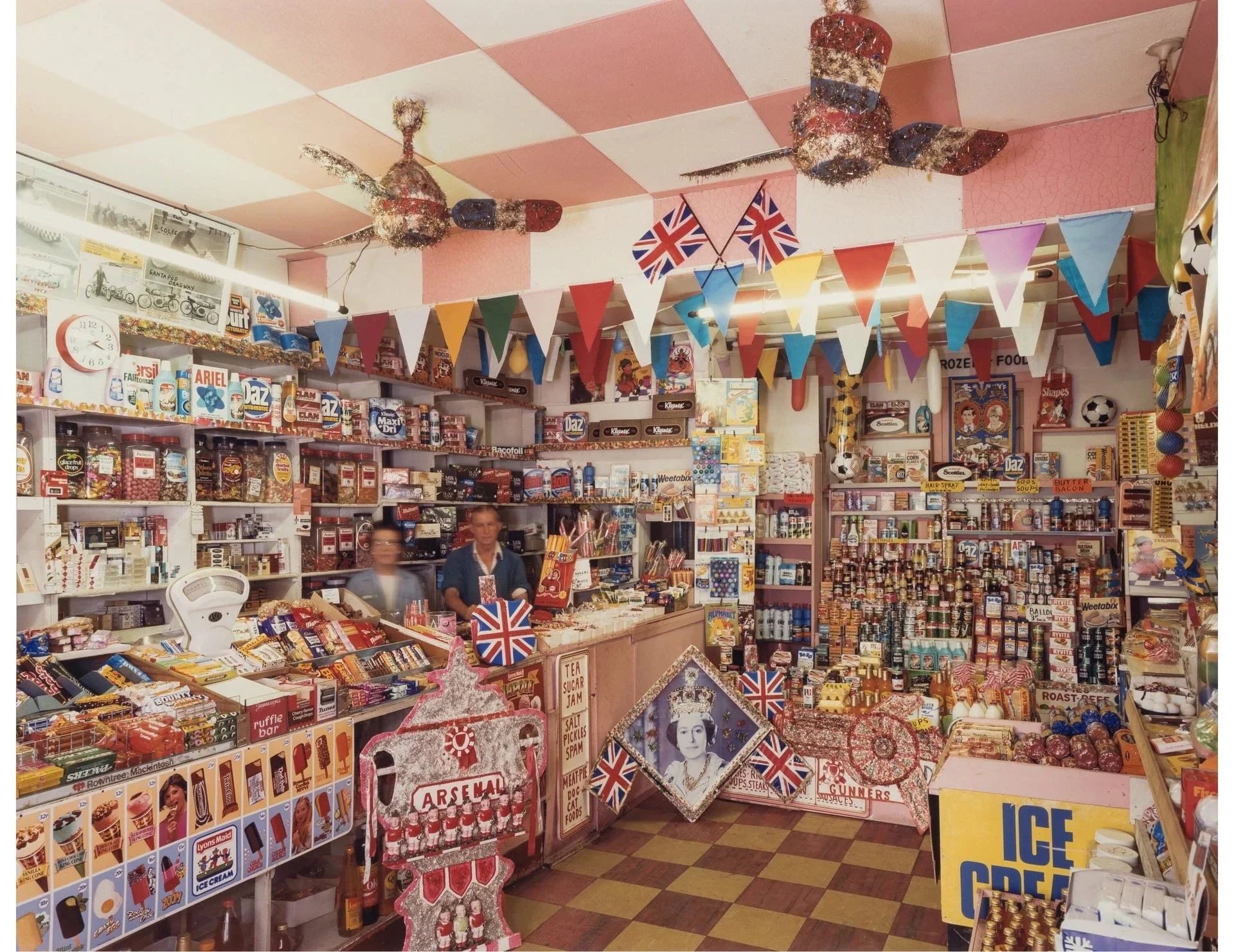
Jim Dow, Cole's Jubilee Shop London England, 1980, printed 1996. C-print, edition 10 of 25, 16 x 20 inches. Collection of Madison Museum of Contemporary Art; Gift of Martin Z. Margulies Foundation.