Advocating for Artists
Anyone who has engaged in the art world or watched it from the near sidelines knows how subtly complex it is. Unwritten rules and invisible codes govern the ways one navigates through the different realms, whether the museum, gallery, artist studio, or even auction house. Learning this etiquette is akin to finding out the secret handshake that grants access to an ever deeper network of relationships and opportunities.
One of the most delicate dances is how an artist advocates for themself. Galleries do not accept cold calls and will turn people away who show up with their portfolios. Many museums state outright on their websites that they do not accept unsolicited materials. The prevailing assumption is that artists get discovered through rigorous research by gallerists and curators. Certainly each has criteria for deciding which artists to exhibit and collect, but getting on the radar of those gatekeepers is often predicated on circumstance or personal connections. In other words, it is extremely difficult for an artist to catch a break, especially in the early stages of a career. Even if an artist does establish a name for themself, there is no guarantee that recognition will endure. As the art world shifts its attention to the next movement or emerging talent, artists are often left behind, making it extremely difficult to sustain a long-term career.
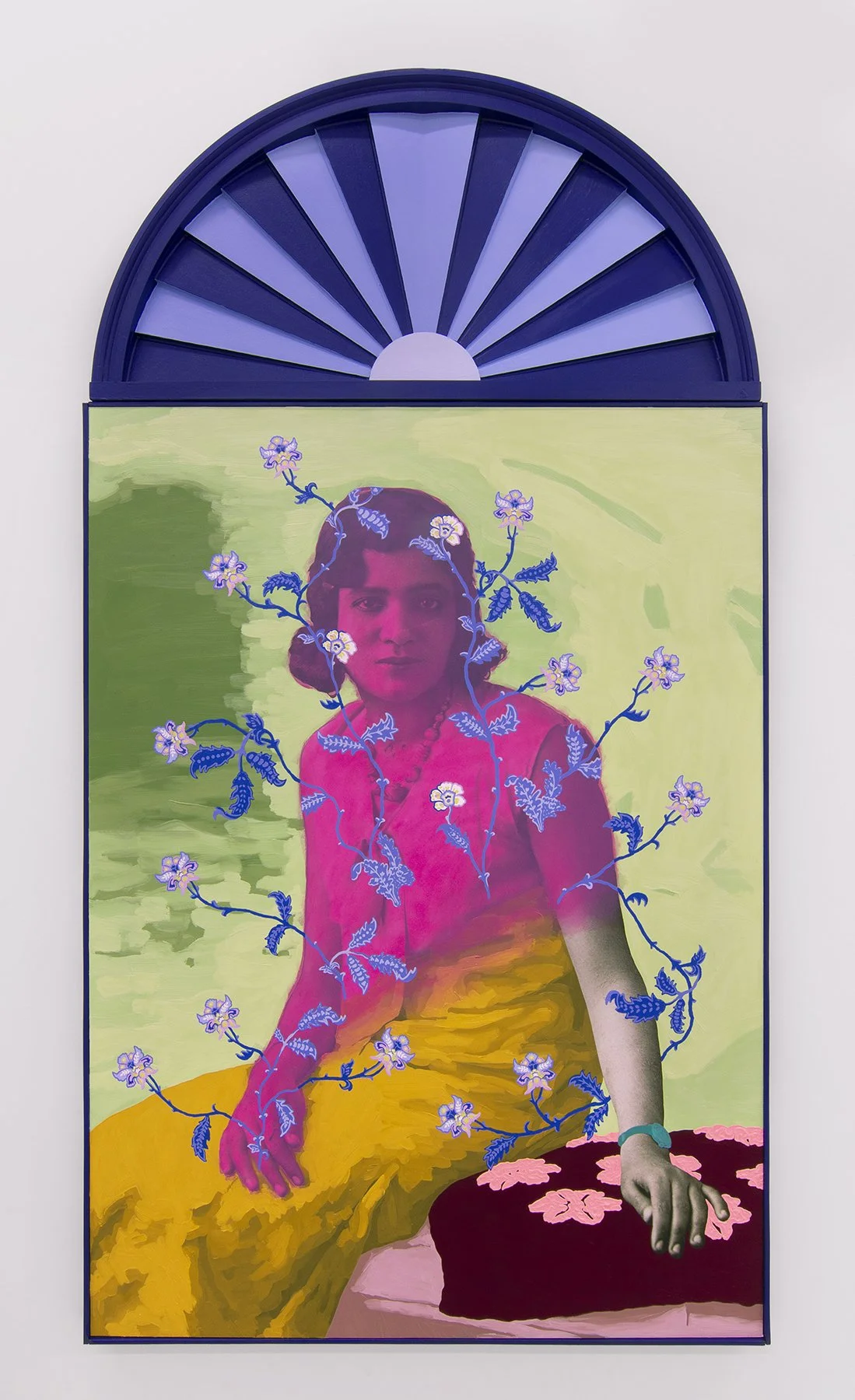
Daisy Patton, Untitled (Pink Woman with Pillow and Blue Pattern), 2022, oil on archival print mounted to panel with frame and arch, 68 1/2 x 37 x 2 in. Philbrook Museum of Art, Tulsa, OK; Gift of the artist and Dr. Enrique Suárez.
Museum Exchange has stepped into this void, serving as a conduit to the often opaque world of museums by placing exceptional works before curators, allowing them to judge for themselves what would make a good addition to their collections. As a neutral intermediary, we are able to have conversations on both sides of the acquisition equation that might otherwise be awkward or ego-bruising, discreetly performing a kind of shuttle diplomacy between artists, galleries, collectors, and institutions.
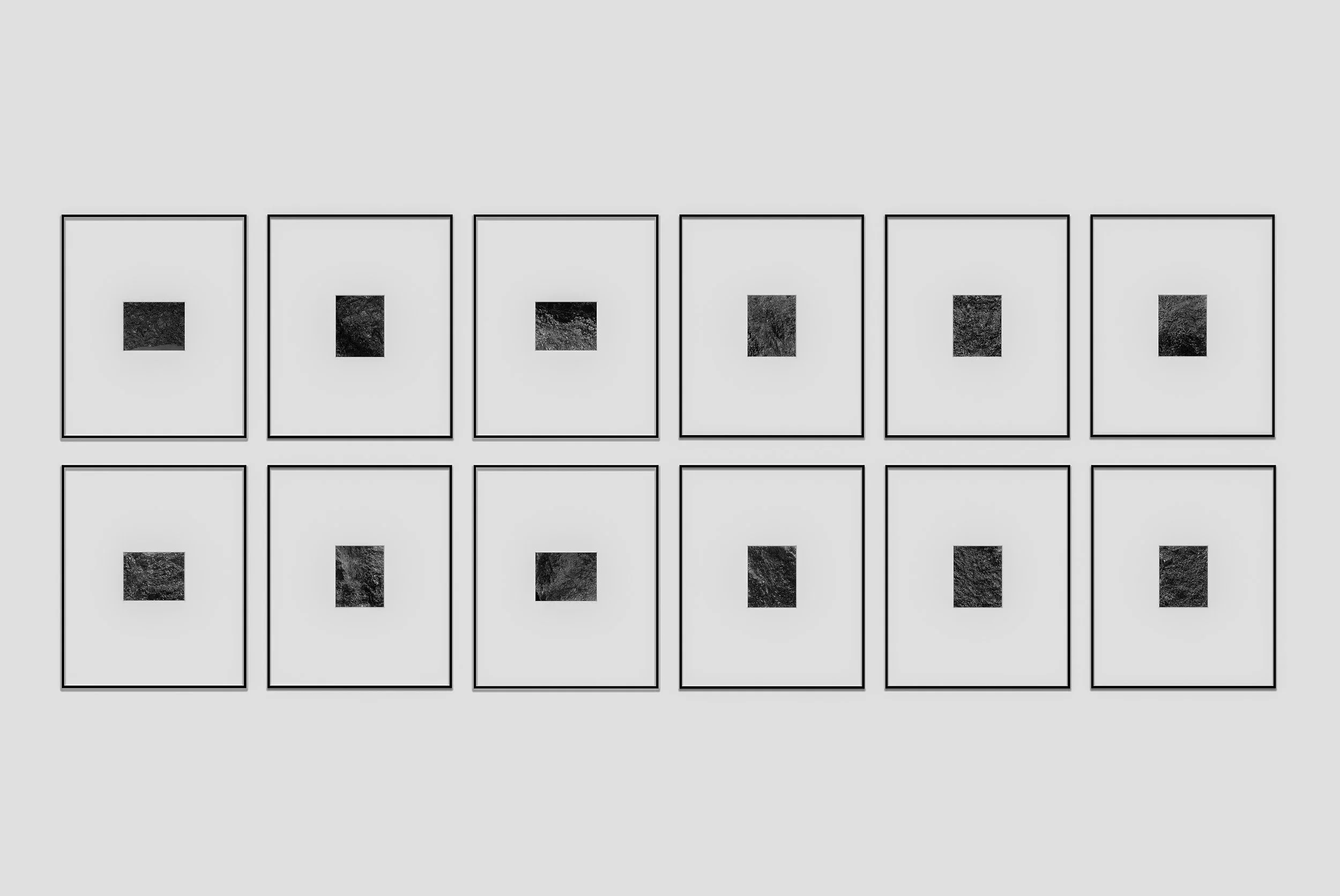
James Welling, Aluminum Foil, 1980-81, 12 framed gelatin silver photographs, 17 x 14 x 1 in (each). Carnegie Museum of Art, Pittsburgh, PA; Gift of the artist.
Over the years, we have encountered every variation of this challenge. We have worked with the estates of deceased artists whose contributions deserve renewed attention; artists with international careers who, later in life, found themselves with more inventory than the market could absorb; established artists whose galleries have closed, leaving them without a public outlet for their work; and talented emerging or mid-career artists whose careers had stalled simply because they lack sustained gallery representation and the visibility that accompanies it.
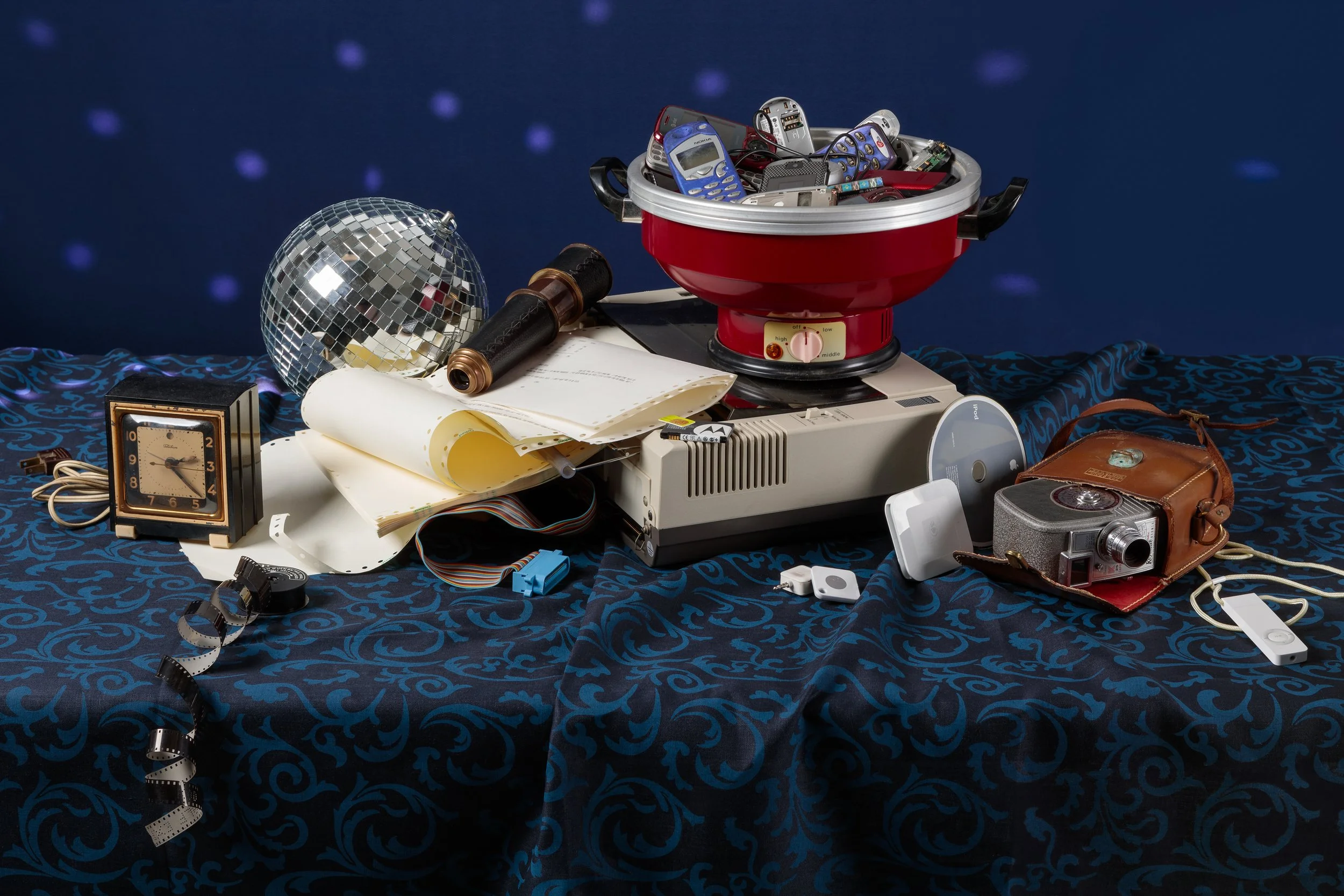
Jeanette May, Tech Vanitas: Dot Matrix, 2018, archival pigment print on Hahnemuhle Photo Rag Pearl paper, edition 8 of 10, 24 x 36 in. Eli & Edythe Broad Art Museum, Michigan State University; Gift of the artist.
When these efforts succeed, everyone benefits. Museums receive significant works of art that allow them to tell expanded stories, artists gain the validation of representation in a public collection, and galleries—when involved—help fulfill one of the central promises of their relationship with artists: helping to build lasting careers. As artist Jeanette May reflected after her work entered the Eli and Edythe Broad Art Museum at Michigan State University, "I feel that I've jumped up a rung on the art success ladder. Now, I'm in museum collections!" We have been fortunate to witness many such moments across every stage of an artist's career, whether working directly with artists themselves, their galleries, and their estates.
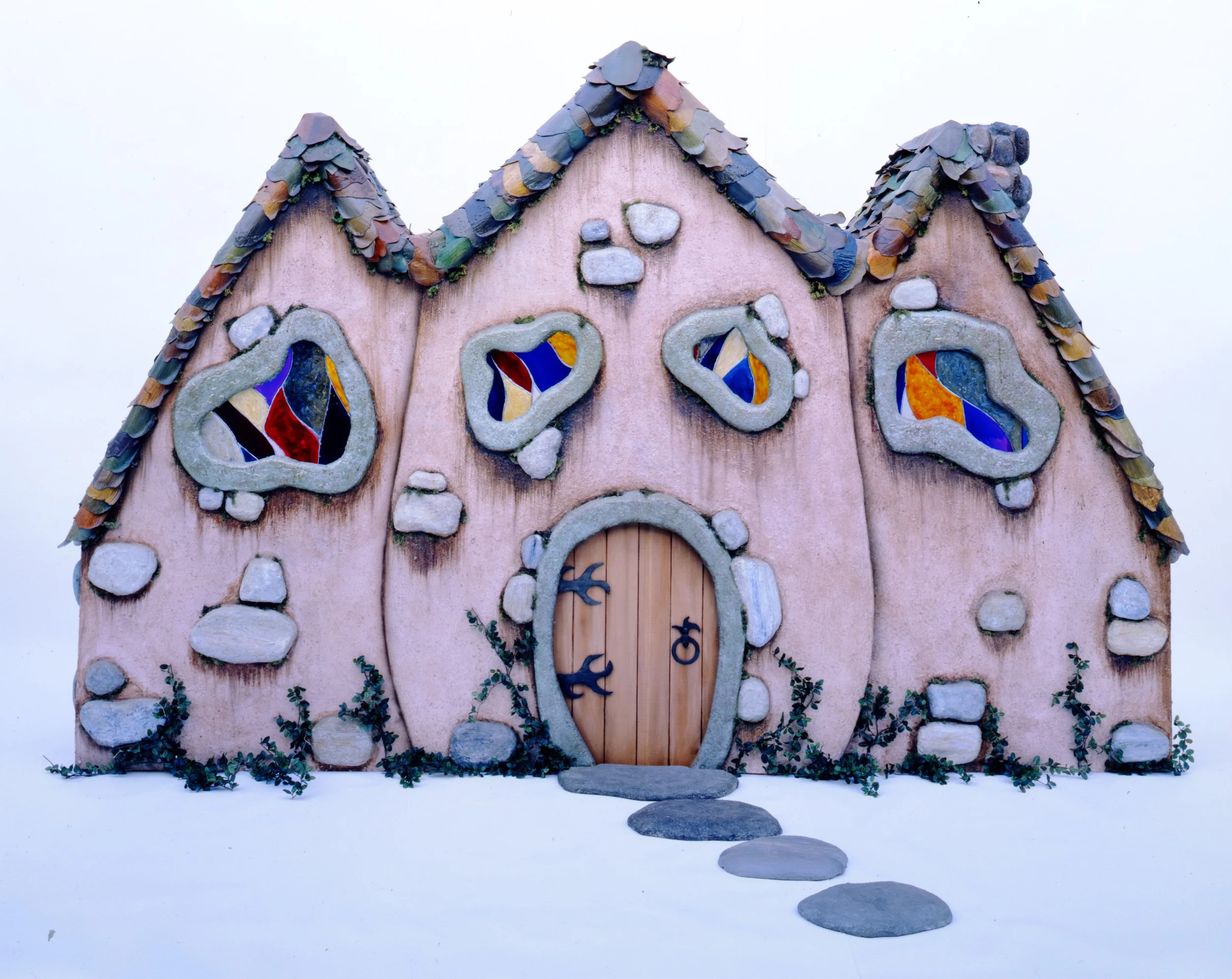
Marnie Weber, The Doll House, 2002, wood, foam, Aquaresin, acrylic paint, plexiglass, resin, dollhouse furniture, wallpaper, vinyl tile, 72 x 120 x 24 in. Laguna Art Museum; Gift of the Shaw Weber Family Trust.
We’re proud to present The Doll House and welcome this important work into our collection. Marnie Weber’s imaginative and surreal vision offers a powerful example of the kind of bold California art Laguna Art Museum is committed to sharing.
– Julie Perlin Lee, Executive Director of Laguna Art Museum
An unspoken hope that is very hard to engineer is that the acquisition of an artwork by a museum may lead to a deeper connection, whether that means adding still more work to the collection or better yet, an exhibition. As donations fostered by Museum Exchange continue to accumulate across the country, we have seen solo exhibitions crop up after gifts of those artists land in museums, including Sadie Barnette at the Joslyn Art Museum in Omaha, Nebraska; Woody De Othello at the Manetti Shrem Museum of Art at the University of California, Davis; Marnie Weber at the Laguna Art Museum in California; and James Welling at the Fairfield University Art Museum in Connecticut among others.
These relationships cannot be manufactured. Rather, they develop organically and gradually, through authentic connections between artists, curators, museums, and their audiences. Sometimes, however, all they need is a spark. A donated artwork can provide that first introduction—a generous act that carries within it the possibility of something much larger.